
Metabolic Bone Disease in Hedgehogs.
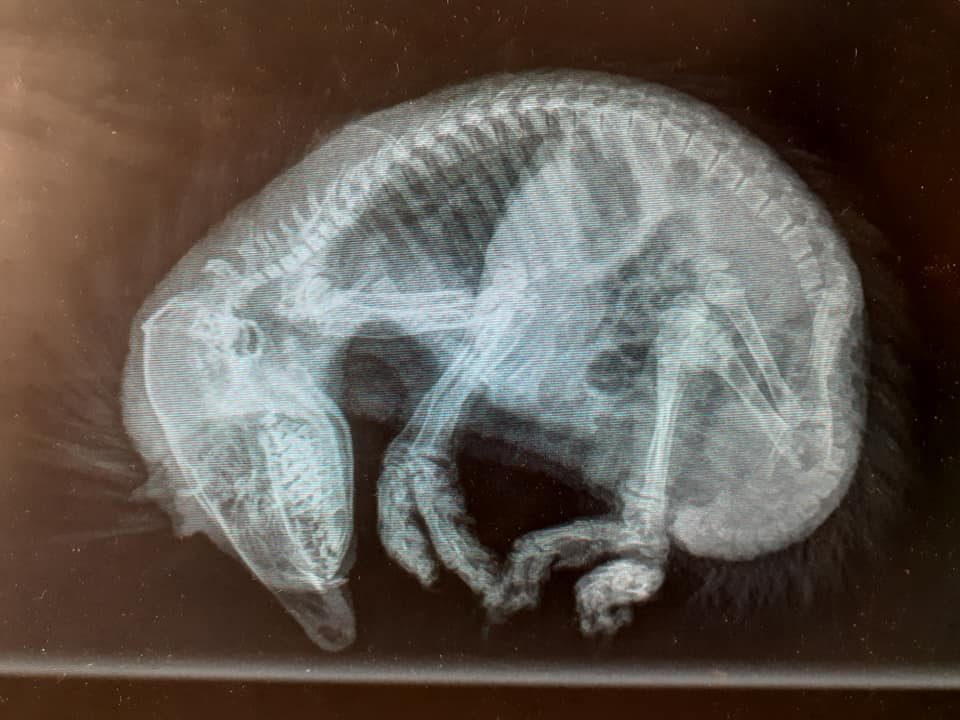
What is it, why is it important and what can we do to prevent it?
In recent years there has been an increase in the diagnosis of Metabolic Bone disease in hedgehogs and it is a life-threatening syndrome. While the causes can be multiple, diet plays a large part, and this means young and growing hedgehogs are particularly susceptible. Mealworms are being given in abundance in urban gardens, and local people are regularly leaving them out for hedgehogs. If it’s not quickly resolved, either naturally or by intervention, the disease causes suffering and ultimately death. So, what exactly is it and what can we do to prevent it?
What is Metabolic Bone Disease (MBD)?
MBD is a well-recognised disease that affects all vertebrates – hedgehogs, birds and humans too. It is the result of a calcium/phosphorous imbalance in the body and its symptoms include a weakening of the bones, joint abnormalities and reduced nerve transmission. This causes weakened muscle contraction and tremors, including in the heart. As the syndrome progresses blood may lose the ability to clot and over time the animal will suffer paralysis, seizures and cardiac arrest. Other terms which more accurately describe the syndrome include secondary nutritional hyperparathyroidism, osteoporosis, fibrous osteodystrophy, osteomalacia and rickets. It is important to recognise there are multiple causes of MBD and these causes can be complex. The result, however, is a disruption in calcium metabolism (the movement of calcium ions within the body) and is not as simple as a calcium deficiency.
MBD and its associated problems can be almost entirely preventable by providing appropriate environment, exercise and diet. Primary risks include:
- Too little calcium or too much phosphorus (i.e. improper ratio) in the diet
- Presence of substances in the diet that impair the absorption of calcium, excessive fat, inadequate protein, or excessive oxalates
- Deficiency in vitamin D
- Underlying diseases in kidney, liver, small intestine (affect absorption) and thyroid (produce hormones which affect calcium metabolism)
- Atrophy of the bones from lack of exercise, youngsters are especially prone
- Stress and anxiety (disrupt digestion and affect calcium absorption)
What is the Cause of Calcium / Phosphorous Imbalance?
The imbalance can result from many causes as previously stated, but most relate to a diet consisting of too little calcium or too much phosphorous. Ideally a ratio 2 : 1 to 1 : 1, calcium to phosphorous provided by the total diet is best for vertebrates. Individual foods will have varying ratio’s higher and lower and an excess of any of these will result in imbalance and potential disease.
Here are a few examples of foods and their ratios:
Type of Food | Ratio | Suitability |
|---|---|---|
Puppy Food | 1.5:1 | Slightly increased calcium is good for bone development in young animals |
Dry Dog Food | 1.3:1 | Good |
Wet Dog Food | 1.2:1 | Good |
Dry Cat Food | 1.1:1 | Good |
Wet Cat Food | 1.1:1 | Good |
Earth Worms | 1.0:1 | Good |
Peanuts | 1.0:6 | Bad |
Sunflower Hearts | 1.0:7 | Bad |
Mealworms | 1.0:15 | Bad |
Bird food and mealworms have a poor calcium / phosphorous ratio and should not be fed to hedgehogs.
Metabolic Bone Disease in Hedgehogs
While MBD has long been recognised as a risk by animal keepers, especially those within aviary, bird and reptile communities, it is relatively new to hedgehog carers. As with all vertebrates at risk of MBD, hedgehogs can only thrive if they have the right environment including diet. Hedgehogs are surprisingly active creatures, naturally covering a mile or more every night while foraging for food. This opportunistic and active lifestyle has naturally maintained their health and balanced their diet for millennia.
The urban environment on the other hand restricts their ability to roam and forage (walls, fences, busy roads, etc, limit movement) and our love of feeding them in our gardens, can potentially be killing them with kindness. The de facto standard food being put out includes milk, meaty leftovers and recently, mealworms: all these foods are potential killers!
Despite milk being rich in calcium, being lactose intolerant, hedgehogs cannot digest it and it causes diarrhoea, stripping them of nutrients. Cooked meat and cooking fat quickly putrefy (especially in warm weather when hogs are active) and become breeding grounds for salmonella and other food poisoning bacteria.
How to Help and Feed Hedgehogs in our Gardens
It’s important to remember that hedgehogs are an ‘at risk’ species and already almost extinct in the wider countryside. It is therefore vital that we continue to support them in our gardens especially when making a positive impact is so easy with a few thoughtful steps.
- Feed appropriate and varied food.
- Provide a house
- Provide access to gardens
- Do not use slug pellets
- Avoid chemical use in the garden, try organic or natural
- Leave a ‘wild’ patch in your garden and create a woodpile or a pile of leaves
- Always check before strimming and mowing
- Be aware and take care of natural ‘nests’
- Encourage your neighbours to help hedgehogs too
- Join Hedgehog Street
In Summary
Milk should never be fed to hedgehogs.
Create an environment that provides hedgehogs with stress-free, quiet undisturbed sleeping and breeding areas. Create space for them to roam widely and get plenty of natural healthy exercise and offer a mixed balanced diet that encourages them to forage as their ancestors did.
As a final note, a major scientific paper The State of Nature 2016, presented by Sir David Attenborough and funded by more than 50 conservation groups reported that hedgehogs are now almost extinct in the countryside. Urban gardens therefore are vital to their survival. Please continue to support our hedgehogs.
The State of Britain’s Hedgehogs 2022
In 2011, the first State of Britain’s Hedgehogs report highlighted the findings of several surveys that pointed to a widespread loss of hedgehogs (Erinaceus
europaeus) over the previous ten years. In 2020, hedgehogs were put on the IUCN Red List as vulnerable to extinction in Great Britain. A decade on from the original report, the current State of Britain’s Hedgehogs assesses how the hedgehog population has changed since.
This article is written for general guidance and should not be taken as medical advice. Always seek advice from a fully qualified wildlife veterinarian.
Sources:
School Veterinary Medicine, University of Nottingham
Bowes and Church’s Food Values
Ness Exotic Wellness Centre
Hedgehog Bottom
The State of Nature Report 2016
Vale Wildlife Hospital